

The article
Most tradies don't stop working when the tools go down. The second shift starts at the kitchen table: quotes to write, invoices to send, missed calls to ring back, and a few customers who still haven't paid.
That second shift is where AI is quietly making a difference. Not robots on site. Not a chatbot that annoys your customers. Just the boring admin, done on time, without you.
What "AI" actually means here
There are two different things people lump together.
Plain automation is "when this happens, do that". When a job is marked done, create the invoice. When a quote has been quiet for two days, send a nudge. It's simple, and it's most of what a trade business needs.
AI is the part that can read and write like a person. It can read a customer's text and work out what they need. It can draft a reply in your tone. It can answer the phone after hours and take the details.
The best setups use both. Automation does the reliable, repeatable steps. AI handles the messy bits in between.
Where it helps first
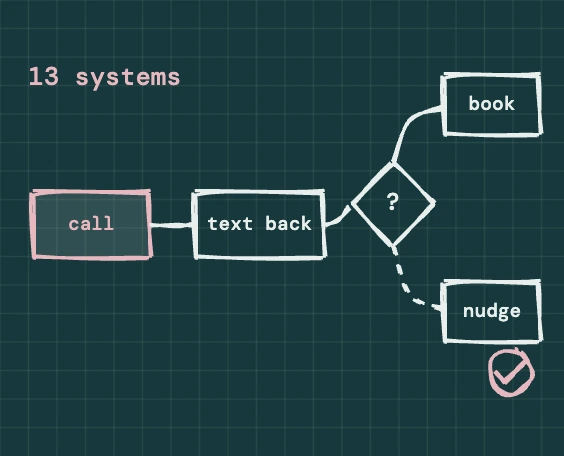
- Missed calls. You can't answer while you're under a house. A text back within seconds means the customer doesn't ring the next number.
- Quotes. Plenty of quotes are sent once and never followed up. A friendly nudge two days later, and another a few days after that, does the follow-up you never get to.
- Invoices. The invoice goes out the moment the job is marked done, with a link to pay by card. No more typing them up at night.
- Overdue money. Polite reminders go out on a schedule and stop the moment it's paid. You only pick up the phone when you have to.
- Reviews and repeat work. A review request after each paid job, and a reminder when the next service is due.
Where to be careful
- Keep a person on anything that matters. Anything that touches money or makes a promise to a customer can wait for your one-tap approval.
- Don't add another app you won't check. If it doesn't live in the tools you already open every day, like Xero, ServiceM8, your phone and your inbox, it won't get used.
- Be upfront. If an AI answers your phone, it should say so. Being straight about it builds trust, as long as it gets them sorted.
- Own your setup. Make sure it's built in your accounts and written down, so you know how it works.
How to start without the headache
Pick the one job that eats your evenings. For most tradies it's either missed calls or invoices. Fix that first, inside the tools you already have, and watch what it handles for a month. Then add the next one.
You don't need to understand any of the technology. You need to know what you want off your plate.
What it won't do
It won't fix a bad quote or a rushed job. It won't replace the reason customers come back, which is good work and a straight answer. What it does is make sure nothing falls through the cracks while you're busy doing that work.
That's the whole point: fewer nights at the kitchen table, and more of the work you're actually good at.
Want to see what this looks like for your business? Book a free 15-minute tool check with Adib. He'll show you what your software can already do that you're not using.
Book a free 15-minute call